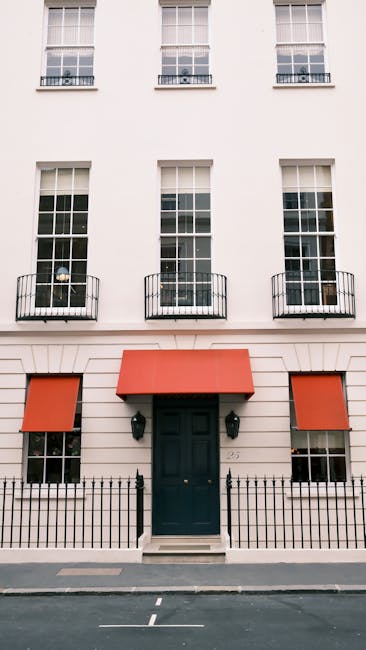
Eaton Square Cleaning Guide for Period Homes Belgravia
Period homes in Eaton Square have a different cleaning rhythm from modern flats. The plasterwork is finer, the flooring is often more delicate, and the finishes tend to show dust, moisture, and harsh chemicals far sooner. If you are trying to keep a Belgravia property looking polished without damaging original features, this Eaton Square Cleaning Guide for Period Homes Belgravia will help you make better decisions, avoid costly mistakes, and understand where specialist support is worth it.
In practice, good cleaning here is less about "doing more" and more about doing the right things in the right order. A careful approach protects sash windows, stone, polished timber, upholstery, carpets, and decorative details that don't forgive rough treatment. And let's face it, once you've seen what a single wrong product can do to an antique finish, you don't really forget it.
This guide covers what matters, how the process works, who needs it, and which methods are safest for period interiors. It also includes a checklist, comparison table, and a realistic example from a home in the area. If you are also comparing wider domestic support, you may find our pages on deep cleaning, domestic cleaning, and house cleaning useful as you plan the work.
Table of Contents
- Why it matters for Eaton Square period homes
- How the cleaning process works
- Key benefits and practical advantages
- Who needs this and when it makes sense
- Step-by-step guidance
- Expert tips for better results
- Common mistakes to avoid
- Tools, resources and recommendations
- Law, compliance, standards and best practice
- Options and comparison table
- Case study or real-world example
- Practical checklist
- Conclusion
- Frequently asked questions
Why Eaton Square Cleaning Guide for Period Homes Belgravia Matters
Eaton Square is known for grand architecture, but those elegant details come with cleaning complications. Period homes often contain original or sensitive materials: lime plaster, timber flooring, marble, brass fittings, natural fabrics, traditional joinery, and sometimes older paint layers that react badly to abrasive treatment. A standard "one-size-fits-all" clean can leave streaks, dull patches, or long-term wear that is expensive to reverse.
There is also the question of presentation. In a period property, cleanliness is not just about removing dirt. It is about preserving the visual calm of the space. Dust in cornices, fingerprints on polished banisters, or a cloudy mark on stone can stand out sharply because the home itself is so refined. You notice it immediately. So does everyone else.
This matters even more in busy Belgravia households where properties may be lived in full time, used occasionally, or prepared for guests, viewings, or changeovers. A careful cleaning plan helps keep the home looking composed without overworking fragile finishes. That balance is the whole point, really.
For homes that need periodic resets rather than routine upkeep, a stronger clean may be needed now and then. In those cases, one-off cleaning can be a sensible option, especially after entertaining, renovation dust, or a season of accumulated grime.
How Eaton Square Cleaning Guide for Period Homes Belgravia Works
The best way to clean a period home is to move from the least risky tasks to the more detailed ones. That usually means dry dusting first, then controlled vacuuming, then targeted damp cleaning using the mildest effective solution. In older homes, excess water is often the enemy. It can creep into joinery, stain soft stone, lift finishes, or leave moisture trapped in hard-to-reach places.
A careful process typically starts with a walk-through. You identify the materials, the problem areas, and any delicate features that need extra caution. For example, a wool rug in a reception room may need a different treatment to a sealed stone hallway, and the skirting boards may need only a soft microfiber wipe rather than anything wet.
Professional cleaners also pay attention to airflow, drying time, and access. In Belgravia homes, access can be as important as technique. Narrow staircases, protected surfaces, or busy household schedules all affect how the work gets done. If the job includes glass, frames, or sash details, it may be better to coordinate with window cleaning so the whole property feels refreshed rather than half-finished.
For more intensive resets, a service such as deep cleaning can work well because it allows time for skirting, ledges, edges, fixtures, and the often-forgotten corners that gather dust in tall period rooms.
Key Benefits and Practical Advantages
A good period-home clean does more than make rooms look tidy. It helps preserve surfaces, reduce wear, and create a healthier living environment. In homes with layered mouldings and decorative details, dust is not just cosmetic; it settles into textures and can become hard to remove if ignored for too long.
Some of the main advantages include:
- Better preservation of original finishes by avoiding aggressive products and rough tools.
- Improved appearance in rooms where mouldings, fireplaces, and polished surfaces amplify every mark.
- Less long-term damage from moisture, abrasion, and unsuitable chemicals.
- Cleaner indoor air after dust, debris, and hidden buildup are removed.
- More confidence for guests or viewings when the property needs to look quietly impeccable.
There is also a practical benefit that people sometimes underestimate: time. Cleaning period properties properly takes longer than cleaning a more modern, standardised interior. Once you accept that, you can plan better and avoid the endless cycle of rushed touch-ups. That alone can be a relief.
If the home has carpets, upholstery, or rugs that absorb dust and odours, specialist treatment may make a visible difference. Carpet cleaning, rug cleaning, and upholstery cleaning are often worth adding to the plan because fabrics in older homes hold onto particles longer than people expect.
Who This Is For and When It Makes Sense
This guide is for anyone responsible for a period property in Eaton Square or the wider Belgravia area who wants a practical, respectful cleaning approach. That might be a homeowner, tenant, landlord, estate manager, housekeeper, or someone preparing a property for guests or sale.
It tends to make sense when:
- the home has original or older finishes that need gentle handling;
- there is visible dust in ornate features or high ceilings;
- the property has not been professionally cleaned for some time;
- you are dealing with post-renovation dust or light building residue;
- you need a reset before entertaining, moving in, or marketing the property;
- you want a more thorough clean without committing to ongoing weekly visits.
Not every situation needs the same level of service. A well-kept home with light daily upkeep may only need a selective refresh. A house that has just come through decorating dust or furniture moving may need a much broader approach. Truth be told, the right answer usually comes from a quick, honest assessment rather than guesswork.
For those times when the cleaning job is bigger than routine maintenance but not quite a renovation clean, after builders cleaning is often the more suitable route.
Step-by-Step Guidance
Here is a practical way to approach a period-home clean in Eaton Square without getting overwhelmed. It is not complicated, but it does reward patience.
- Start with a room-by-room survey. Note materials, damage, stubborn marks, and fragile areas. A quick list saves a lot of backtracking later.
- Clear surfaces carefully. Move objects by hand rather than sweeping them into a tray. Decorative items, frames, and lamps need a gentle touch.
- Dust high to low. Cornices, shelves, picture rails, and light fittings first. Then work down to tables, skirting, and floors.
- Vacuum properly. Use soft brush attachments where possible. Edges, seams, and corners matter more than people think.
- Treat surfaces by material. Stone, wood, metal, and fabric each need different products. Avoid "all-purpose" assumptions.
- Clean windows and frames with care. Glass may be straightforward, but old frames, putty, and paint need gentler handling.
- Handle floors last. Hardwood, marble, and other hard floors should be cleaned once the dust has been removed from above.
- Allow drying time. Don't rush back onto damp floors or shut everything up too quickly. Air matters.
If your property includes both hard flooring and soft furnishings, it can help to group tasks by surface type. For example, you might pair hard floor cleaning with a fabric-focused service such as sofa cleaning. That keeps the process organised and reduces the chance of cross-contamination from dust and residue.
A small but useful habit: finish each room by checking it in natural daylight if possible. At around late morning, dust shadows and streaks are easier to spot. Artificial light can hide a surprising amount.
Expert Tips for Better Results
In our experience, the best results in period homes come from restraint. Less force. Less water. Less product. That sounds almost too simple, but it makes a real difference.
- Test first in an inconspicuous spot. Especially on painted trims, delicate wood, brass, or older fabrics.
- Use pH-neutral or mild cleaners where appropriate. Harsh products can strip finishes and leave dull patches.
- Change cloths often. A dirty cloth just spreads particles around. Not glamorous, but true.
- Protect airflow. Open windows where suitable and use fans carefully so moisture does not linger.
- Mind the details. Door handles, switches, skirting, and railings are tiny surfaces, yet they shape the overall impression.
- Work in a logical sequence. Avoid cleaning something twice because dust from a higher shelf landed on it later.
One thing that often gets overlooked is the condition of furnishings. Upholstered chairs, curtains, and cushions can hold dust even when the room looks neat. If the space feels a little stale, a combined approach with cleaners experienced in careful domestic work can save a lot of trial and error.
And yes, sometimes the glamorous part of the job is just holding the cloth at the right angle. There, I said it.
Common Mistakes to Avoid
Period homes expose bad cleaning habits quickly. A shortcut that seems harmless in a modern property can become a visible problem in Belgravia.
- Using too much water on timber, stone, plaster, or older joinery.
- Scrubbing with abrasive pads that mark polished or painted surfaces.
- Applying one product to everything because it is convenient.
- Ignoring drying time after damp cleaning or carpet treatment.
- Forgetting high-level dust so the room looks clean at floor level but not from the doorway.
- Overlooking access issues like narrow halls, protected floors, or fragile stair runners.
- Cleaning in the wrong order and pushing dust from one area into another.
Another common mistake is assuming that "lightly used" means "low maintenance." Not necessarily. A guest room, drawing room, or formal dining space can gather dust quietly for weeks and then suddenly show every particle when sunlight moves across the floor. Period homes are a bit like that. They keep score.
If the property is vacant or between occupants, it may be better to combine a deep reset with end of tenancy cleaning style detail, especially where landlords or managers want a finish that is tidy, inspection-ready, and respectful of the building.
Tools, Resources and Recommendations
You do not need an enormous kit to clean a period home well, but the right tools matter. Quality is more useful than quantity here.
| Tool or item | Best use | Why it helps in period homes |
|---|---|---|
| Microfiber cloths | Dusting and light wiping | Trap particles without scratching delicate surfaces |
| Soft brush vacuum attachments | Edges, upholstery, skirting, corners | Reduce abrasion on older finishes and fabrics |
| Neutral cleaning solution | General surface cleaning | Lower risk of stripping or dulling finishes |
| Dry dust mop | Hard floors | Removes loose dust before damp cleaning |
| Gentle upholstery tool | Sofas and chairs | Keeps fabric care controlled and even |
| Glass-safe cloths | Mirrors and windows | Reduces streaking on panes and polished glass |
For many households, the smartest "resource" is a trusted cleaning company with experience in domestic and heritage-style interiors. A service such as cleaning company support can be useful when you need consistency, clear planning, and a team that knows how to work around a lived-in home.
If security, access, or reassurance matters, it is sensible to review practical policies too. The pages on health and safety and insurance and safety give useful context on how a professional provider approaches risk and responsibility.
Law, Compliance, Standards, and Best Practice
For period homes, compliance is usually more about safe practice than dramatic legal complexity, but it still matters. In the UK, anyone carrying out cleaning work should use products and methods responsibly, respect property boundaries, and avoid creating avoidable hazards such as slippery floors or excess moisture around electrics.
Good practice also includes protecting occupants and workers. That means clear communication about fragile items, sensitive finishes, and areas that should not be touched without permission. It also means understanding when a task is outside normal domestic cleaning and needs a more careful method. In older homes, caution is not overkill. It is professionalism.
If waste is being removed, packaging is being disposed of, or a larger clean produces more debris than usual, a responsible approach to recycling and sustainability is worth considering. You can read more about that on the site's recycling and sustainability page. Likewise, if you are checking commercial arrangements, the terms and conditions, payment and security, and privacy policy pages are sensible to review before booking.
There is no virtue in rushing a heritage-sensitive clean. The best standard is the one that keeps the home intact and looking right for years, not just today.
Options, Methods, or Comparison Table
Different cleaning methods suit different moments. A quick refresh is not the same as a detailed reset, and a fabric treatment is not the same as floor care. Choosing well saves time and protects the property.
| Method | Best for | Strengths | Watch-outs |
|---|---|---|---|
| Routine domestic cleaning | Weekly or fortnightly upkeep | Maintains order and visible cleanliness | May miss buildup in ornate or hard-to-reach areas |
| Deep cleaning | Periodic resets, seasonal cleans | More detail on edges, fixtures, and overlooked spots | Takes longer and needs good planning |
| One-off cleaning | Events, guest arrivals, occasional refresh | Flexible and practical for specific dates | Less useful for ongoing maintenance by itself |
| Specialist carpet or upholstery care | Textiles, rugs, stairs, sofas | Targets embedded dust and wear | Requires suitable products and drying time |
For homes with a lot of fabrics, a combination is often best. A cleaner may be excellent at general upkeep, while carpet cleaner support or upholstery treatment handles the soft surfaces that regular dusting cannot fully refresh. That mix is often what makes a room finally feel "done."
Case Study or Real-World Example
Here is a typical scenario, based on the kind of work that comes up in Eaton Square and nearby streets. A family returns to their Belgravia home after a period away. The house is tidy enough, but the drawing room has a fine layer of dust on the picture rails, the hallway floor has lost its shine, and a cream sofa has picked up dullness around the armrests. Nothing dramatic, just enough to make the property feel tired.
The cleaning plan starts with overhead dusting, then careful vacuuming of soft furnishings, then surface-by-surface treatment using mild products. The hallway is handled separately because the flooring needs a different method from the carpets upstairs. The sofa gets focused attention, and the windows are finished last so light comes in cleanly. By the end, the room does not look "new" - which would be the wrong goal anyway - but it looks cared for, calm, and ready to live in again.
That is the real win in a period home. You are not trying to erase its age. You are trying to let it look its best without fuss. To be fair, that is a nicer result than a shiny, over-scrubbed finish ever could be.
Practical Checklist
Use this checklist before and during the clean. It keeps the job focused and prevents easy mistakes.
- Confirm which rooms are included.
- Identify fragile finishes, antiques, or delicate fabrics.
- Check access, parking, and entry arrangements.
- Remove small personal items from surfaces.
- Separate general cleaning from specialist textile or floor care.
- Use the mildest effective product for each surface.
- Dust high points before lower surfaces.
- Vacuum edges, corners, and soft furnishings thoroughly.
- Avoid excess moisture on timber, plaster, or older stone.
- Allow proper drying time before replacing rugs or furniture.
- Inspect rooms in natural light where possible.
- Keep a note of any marks that may need specialist treatment later.
If you want broader household support, you can also look at home cleaners, domestic cleaning, or a more targeted one-off cleaning visit depending on how much help the property needs.
Conclusion
Cleaning a period home in Eaton Square is really about judgment. The architecture asks for respect, the materials ask for restraint, and the layout asks for a methodical approach. When you get those three things right, the whole property feels lighter, fresher, and far more settled.
The good news is that you do not need to overcomplicate it. Start with the right sequence, use the right tools, and be careful with moisture and chemicals. That alone avoids most of the damage people worry about later. And if the job feels bigger than a normal tidy-up, that is usually a sign to bring in experienced help rather than pushing through and hoping for the best.
Get a free quote today and see how much you can save.
However you approach it, the aim is simple: keep the home beautiful, keep it comfortable, and let its history stay intact.
Frequently Asked Questions
What makes cleaning a period home in Eaton Square different from cleaning a modern flat?
Period homes usually contain more delicate materials, detailed finishes, and older surfaces that can be damaged by excess water or abrasive products. A modern flat often tolerates faster, more standardised cleaning methods. In Eaton Square, a slower and more selective approach is usually safer.
How often should a period home in Belgravia be deep cleaned?
It depends on how the property is used. A busy family home may need a deeper reset more often than a part-time residence. As a general practical rule, you should schedule it whenever dust, dullness, or fabric buildup starts to show beyond routine upkeep.
Can I use regular supermarket cleaners on old wood and stone?
Sometimes, but not always. The label may say "multi-surface," yet older finishes are not always forgiving. Always test first, use the mildest suitable product, and avoid anything too acidic, too alkaline, or too wet.
Is professional cleaning worth it for a period property?
For many owners, yes. Professional cleaning can reduce the risk of damage and save time, especially where there are antiques, fragile finishes, high ceilings, or specialist flooring. It also tends to give a more consistent result in hard-to-reach areas.
What rooms usually need the most attention?
Reception rooms, hallways, staircases, kitchens, and fabric-heavy rooms often need the most care. These spaces show dust, traffic marks, and wear quickly. Window areas can also look tired fast because light reveals every streak and speck.
Should carpets and rugs be cleaned separately from the rest of the house?
Usually, yes. Carpets and rugs hold dust and odours differently from hard surfaces, so they benefit from a more targeted treatment. If the home has valuable or delicate textiles, specialist care is especially sensible.
What is the biggest mistake people make in period homes?
Using too much water or scrubbing too hard. It sounds basic, but it is the most common source of damage. A careful dry-first, damp-second method is usually much safer and often more effective anyway.
How long does a thorough cleaning take in a Belgravia period home?
That depends on size, condition, and the number of delicate surfaces. A carefully done clean almost always takes longer than people expect. The house is full of details, and those details are what give it character.
What should I do before cleaners arrive?
Clear personal items from surfaces, note any fragile features, and point out areas that should not be moved or touched without permission. A short walk-through at the start helps avoid confusion later.
Can cleaning help protect the value of a period home?
Good cleaning supports preservation, presentation, and day-to-day upkeep. While it is not the same as restoration, it can help prevent avoidable wear and maintain the property's appearance over time. That matters in a home where original features are part of the appeal.
Do I need specialist help after renovations or decorating?
Usually, yes, if there is fine dust, paint residue, or debris in awkward areas. A normal clean may not be enough. A more focused service such as after builders cleaning is often the better choice in that situation.
How do I choose a cleaning service for Eaton Square?
Look for practical experience, careful communication, and a clear approach to safety and property care. If the provider explains how they handle delicate surfaces, access, and drying time, that is usually a good sign. Trust your instincts a bit here too. If their plan sounds rushed, it probably is.